
How to get a job in Germany from India is one of the most searched questions among Indian professionals looking for better career opportunities. Germany offers thousands of vacancies across engineering, biotechnology, healthcare, IT, logistics, finance and manufacturing, making it an ideal destination for skilled workers.
Germany has become one of the most attractive destinations for skilled professionals worldwide. With thousands of vacancies across engineering, healthcare, IT, biotechnology, logistics, finance, hospitality, and manufacturing, Germany continues to welcome qualified international professionals.
If you’re an Indian student or working professional dreaming of building a successful career in Germany, this guide explains everything you need to know.
Why is Germany the best destination?
Germany offers numerous advantages for international professionals:
- High salaries
- Excellent work-life balance
- Permanent Residency opportunities
- Strong employee rights
- Universal healthcare
- Free or low-cost education
- Safe cities
- World-class public transportation
- Career growth in multinational companies
Many professionals earn between €45,000 and €90,000 annually, while experienced managers and specialists can earn significantly more.
Step 1: Choose the Right Career

Germany has a high demand for professionals in:
- Information Technology
- Artificial Intelligence
- Data Analytics
- Biotechnology
- Pharmaceutical Research
- Mechanical Engineering
- Electrical Engineering
- Automotive Industry
- Nursing
- Healthcare
- Finance
- Supply Chain Management
- Logistics
- Hospitality
- Renewable Energy
Step 2: German Language Requirements

Although many multinational companies use English, learning German significantly increases your job opportunities.
Recommended levels:
A1–A2
- Basic communication
- Everyday conversations
B1
- Customer-facing roles
- Vocational training
- Hospitality
- Healthcare support
B2
- Professional communication
- Engineering
- Finance
- Corporate jobs
C1
- Management positions
- Research
- Universities
- Leadership roles
At Learn Easy German, we offer:
- Live Online German Classes
- Goethe Exam Preparation
- TELC Exam Preparation
- Flexible Weekday & Weekend Batches
- One-to-One Speaking Practice
- Mock Exams
- Certified Trainers
Step 3: Prepare a German-Standard Resume
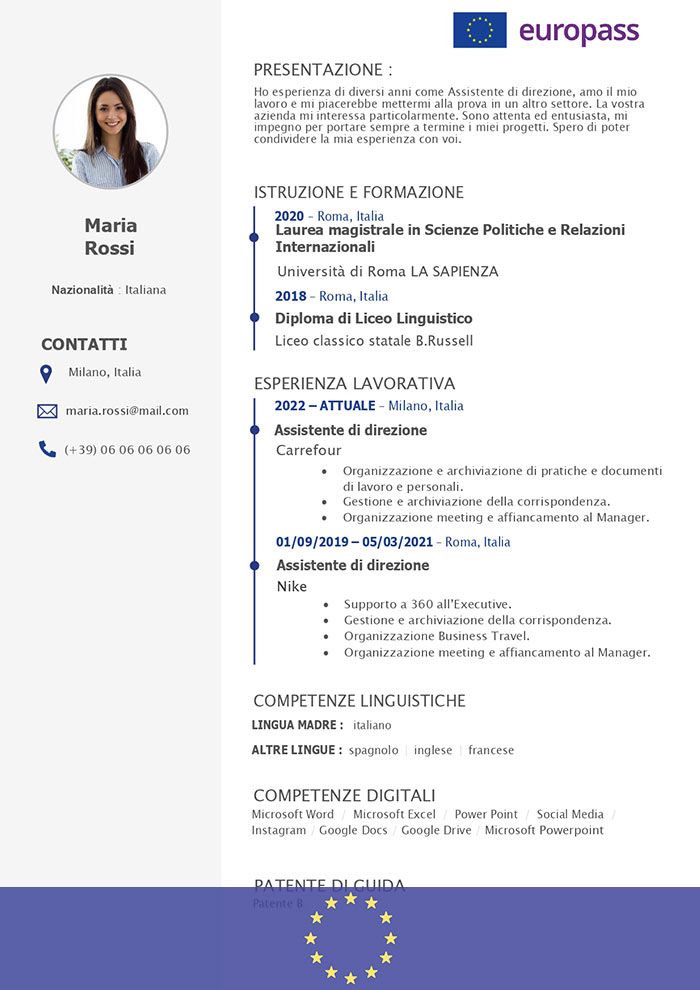
Your resume should include:
- Professional summary
- Education
- Work experience
- Skills
- Certifications
- Language proficiency
- Projects
- Publications (if applicable)
Keep it concise, professional, and tailored to the job.
Step 4: Build a Strong LinkedIn Profile
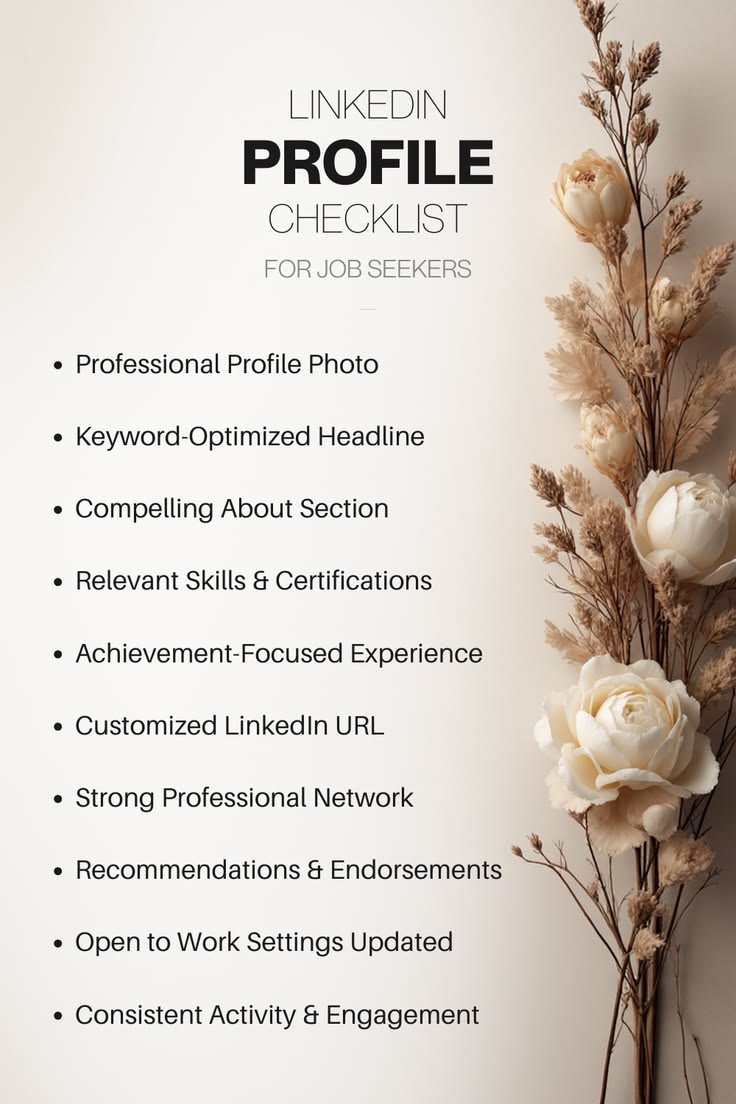
Recruiters actively search for candidates on LinkedIn.
Your profile should include:
- Professional photo
- Clear headline
- Skills
- Certifications
- Work experience
- Projects
- Recommendations
Step 5: Apply Through Trusted Job Portals
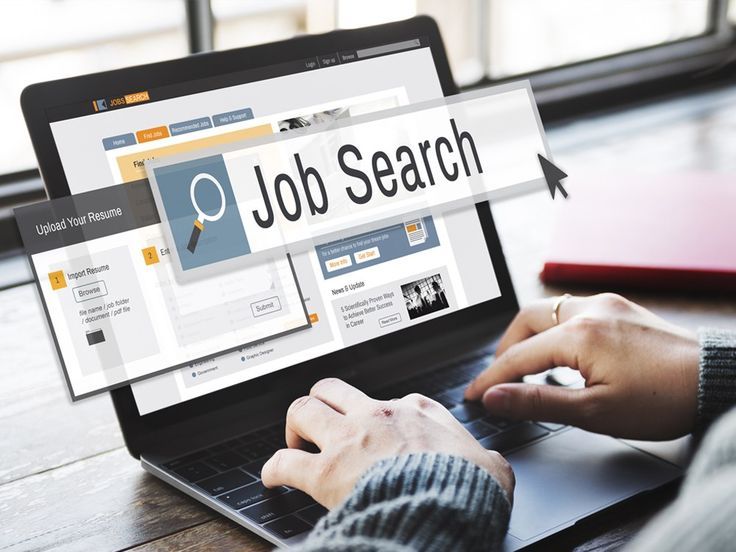
Popular platforms include:
- LinkedIn Jobs
- StepStone
- Indeed Germany
- Make it in Germany
- Company Career Pages
Apply consistently and customise your application for each role.
Step 6: Prepare for Interviews
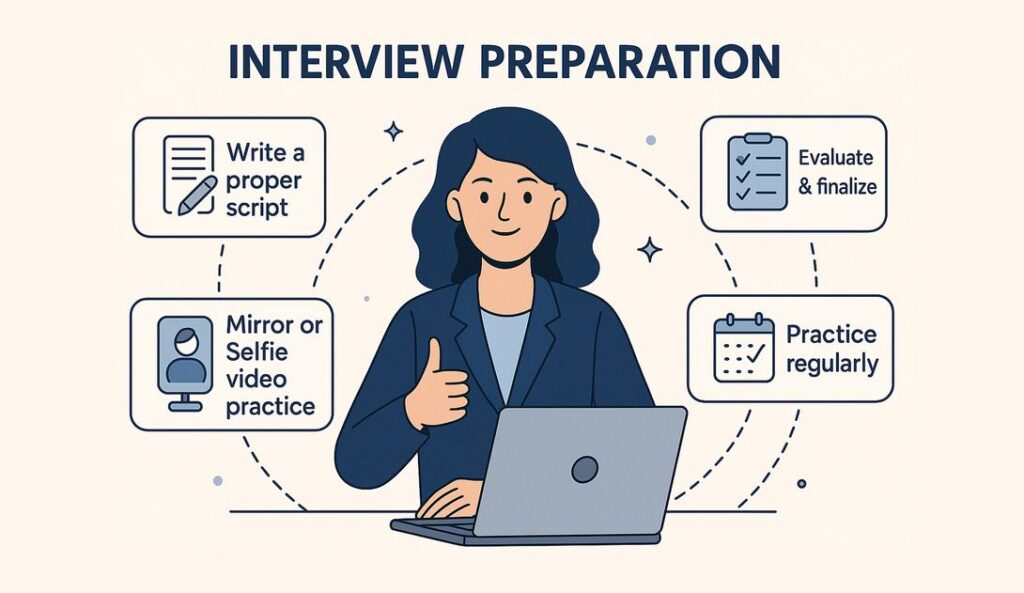
Employers typically assess:
- Technical knowledge
- Communication skills
- Problem-solving ability
- German language proficiency
- Teamwork
- Motivation
Practice both English and German interview questions.
Step 7: Apply for the Appropriate Visa

Once you receive a job offer, you can apply for the appropriate German employment visa.
Ensure you have:
- Employment contract
- Passport
- Educational certificates
- Health insurance
- Financial documents (if required)
Common Mistakes to Avoid:
❌ Applying with a generic resume
❌ Ignoring German language learning
❌ Poor LinkedIn profile
❌ Applying randomly without matching skills
❌ No interview preparation
Frequently Asked Questions
Can I get a job in Germany without knowing German?
Yes, especially in IT and multinational companies. However, German greatly improves your chances.
Is B1 enough?
B1 can be sufficient for some sectors, but B2 or higher is preferred for many professional roles.
Which German exam is accepted?
The most widely recognised certifications include Goethe and TELC.
How long does it take to learn German?
With regular study and speaking practice, many learners reach B2 within 6 months.
Start Your German Journey Today
Whether your goal is to study, work, or settle in Germany, learning German is one of the smartest investments you can make.
Learn Easy German provides structured courses from A1 to C1, expert guidance, speaking practice, and exam preparation to help you achieve your goals with confidence.
Ready to begin?
Join our live online classes today and take your first step toward a successful career in Germany.
Ready to work in Germany? Start learning German with Learn Easy German. Our live online A1–C1 courses, Goethe and TELC exam preparation, and speaking practice sessions are designed to help you achieve your career goals. Contact us today for a free consultation and choose the batch that fits your schedule.
